





























Why Are People Laughing on Purpose—and Can It Actually Make You Healthier?
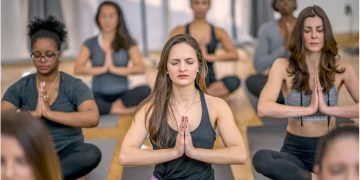
At first glance, laughter yoga might seem like a quirky internet trend or a lighthearted group bonding exercise, but its rapid rise in popularity tells a deeper story. From hospital wards in Mumbai to corporate wellness retreats in California, people are laughing on cue—not at jokes, but simply to tap into joy. Laughter yoga combines deep breathing techniques of traditional yoga with prolonged voluntary laughter, and proponents claim it reduces stress, improves mood, and even boosts the immune system. But does the science back up these claims, or are we laughing at pseudoscience?
The Physiology of Laughter: What Happens in Your Body When You Laugh
Laughter triggers a cascade of physical and chemical changes in the body. It activates the parasympathetic nervous system, reduces muscle tension, and floods the brain with endorphins. More importantly for immunity, laughter has been shown to lower levels of cortisol—the stress hormone that, when chronically elevated, can suppress immune function. According to a 2003 study in Alternative Therapies in Health and Medicine, participants who engaged in laughter therapy showed decreased serum cortisol and improved mood. Another study published in the Journal of Psychosomatic Research found that laughter increased natural killer (NK) cell activity, which plays a critical role in immune defense. While it’s hard to measure the impact of laughter in isolation, the preliminary evidence is promising.
What Exactly Is Laughter Yoga?
Laughter yoga was developed in 1995 by Dr. Madan Kataria, a physician in Mumbai, India. His approach was simple: combine laughter exercises with yogic breathing (pranayama) to generate a state of “joyful mindfulness.” The practice doesn’t rely on humor or comedy. Instead, it encourages participants to laugh voluntarily, often starting with eye contact, childlike playfulness, and group chanting of “ho-ho-ha-ha-ha.” The body doesn’t distinguish between real and fake laughter—both produce similar physiological effects. Sessions usually last 30–45 minutes and end with guided relaxation. The technique has spread to over 100 countries, with thousands of laughter clubs running both in-person and virtually.
The Link Between Cortisol and Immunity
Cortisol is essential for survival in acute stress, but when elevated over time—due to chronic anxiety, poor sleep, or overwork—it can wreak havoc on the immune system. High cortisol levels are associated with decreased lymphocyte production, reduced antibody response, and increased susceptibility to illness. This makes stress reduction a key strategy for immune health. In several small studies, including one from The American Journal of Lifestyle Medicine, laughter therapy led to measurable reductions in cortisol levels after just a few sessions. While these studies typically have small sample sizes, they align with broader research on the benefits of positive emotional states on immune resilience.
Virtual Laughter Clubs: Joy in the Digital Age
During the COVID-19 pandemic, laughter yoga went digital. Platforms like Zoom and Skype became hubs for laughter sessions, connecting people from around the world in synchronized giggles and breathing exercises. Surprisingly, the virtual format worked. Participants reported the same emotional lift, social bonding, and physical release as in-person sessions. Some clubs now offer daily or weekly virtual classes, often free or donation-based, with sessions led by certified instructors trained in laughter yoga methods. Apps and YouTube channels also provide on-demand options, making the practice more accessible than ever. Digital laughter may feel awkward at first, but the sense of shared vulnerability can enhance its emotional impact.
The Roots of Laughter Yoga in Indian Healing Traditions
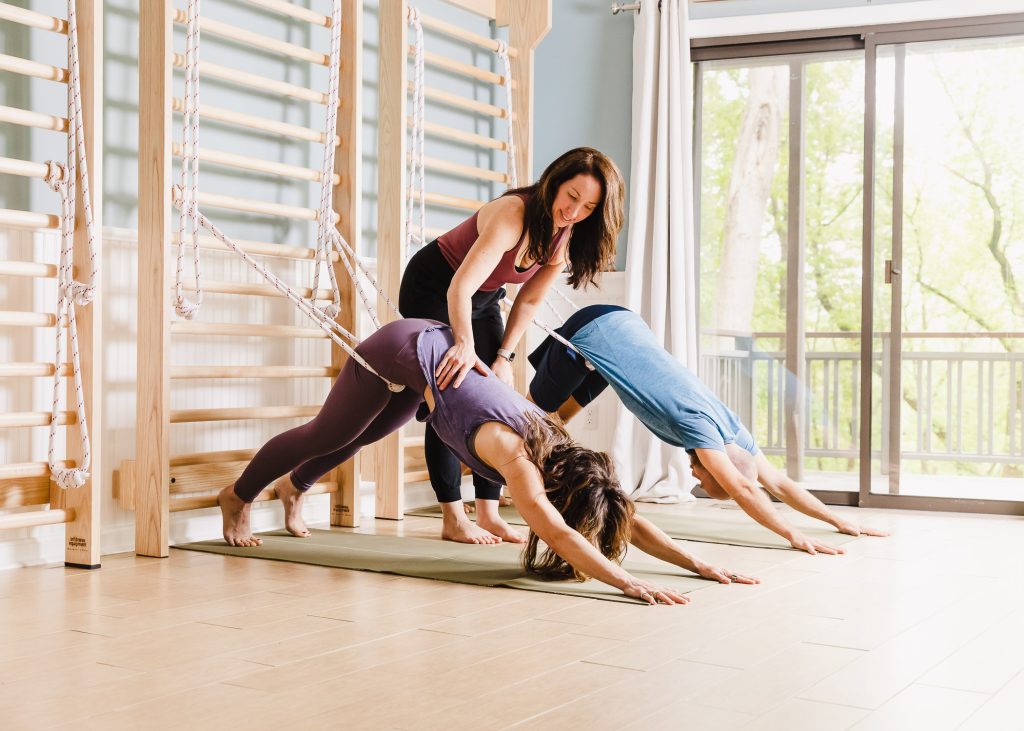
Though Dr. Kataria formulated laughter yoga in the 1990s, its roots are deeply entwined with Indian wellness philosophies. In Ayurveda, joy is considered a vital emotion for balancing doshas and enhancing ojas—the body’s vitality and immunity. Yoga, as a mind-body discipline, has always emphasized emotional balance as part of physical health. Laughter yoga merges this tradition with modern stress science, creating a uniquely hybrid practice. It’s also reminiscent of practices like Hasya Ras in Indian performance art, where laughter is celebrated as a noble expression of emotional release and spiritual openness.
Criticisms and Controversies: Is This Just a Placebo Effect?
Skeptics argue that much of laughter yoga’s effectiveness may stem from the placebo effect, social connection, or mild aerobic movement. Critics also point out the lack of large-scale, randomized controlled trials comparing laughter yoga with other stress-reduction techniques. Yet many medical interventions—especially in mental health—also work via expectation and environment. The question becomes less about whether it’s placebo and more about whether it helps. And in most reported cases, people feel lighter, calmer, and more optimistic after practicing. Laughter yoga may not replace vaccines or antibiotics, but it could complement other strategies to keep the body resilient.
When Laughter Isn’t Enough: Knowing the Limits
It’s important to recognize that laughter yoga isn’t a cure-all. For individuals with severe depression, trauma, or anxiety disorders, it can feel inauthentic or even triggering. In such cases, professional support should take priority. Also, forced laughter may initially feel uncomfortable or socially awkward for some—especially in group settings. Moderation is key. Like any wellness practice, the goal isn’t to suppress all negative emotions but to cultivate flexibility and emotional balance. Laughter yoga works best when used as a supplemental habit, alongside healthy sleep, balanced nutrition, movement, and emotional awareness.
How to Start Your Own Laughter Practice at Home
You don’t need to join a laughter club to benefit. Try these simple techniques at home:
- Start with fake laughter: Just begin laughing for no reason. It feels strange at first, but momentum builds.
- Mirror work: Look into a mirror and smile, then laugh for 1–2 minutes. This triggers a physiological feedback loop.
- Laughter meditation: Sit quietly, take deep breaths, then laugh continuously for 5–10 minutes. Let emotions arise naturally.
- Laughter breathing: Inhale deeply, then exhale with a “ha-ha-ha” or “ho-ho-ho” sound. Repeat in sets of 10.
- Laughter journaling: Write down memories that make you laugh, or collect funny quotes and revisit them regularly.
Consistency matters more than intensity. Even five minutes a day can shift your nervous system and elevate mood over time.
Future of Laughter Yoga: Is This the Next Big Wellness Trend?
As mental health takes center stage in global wellness discourse, practices that blend emotional release with physical movement are gaining traction. Laughter yoga stands out for its accessibility, low cost, and community-building potential. Future research may solidify its role in stress reduction, aging health, and even chronic pain management. Already, hospitals, schools, and elder care facilities are integrating it into programming. Whether you’re a skeptic or a believer, it’s hard to ignore the appeal of a practice that’s free, safe, and—at its core—joyful.
Conclusion: Should You Laugh on Purpose?
If you’re looking for an easy, low-risk way to elevate your mood and possibly support your immune system, laughter yoga is worth a try. It may feel strange at first, but the benefits—both emotional and physical—are well-documented. Whether you’re dealing with stress, seeking community, or simply want to smile more often, the science of forced joy is catching up to the wisdom of ancient traditions. After all, laughter is the most natural medicine of all—so why not take a dose, even when life doesn’t seem funny?