





























ThriveWellQuest.com
  • Home
  • Health Innovations
    How Far Are Brain-Computer Interface Technologies from Enhancing Cognition and Memory? Are You Ready for the Future “Superbrain”?

    How Far Are Brain-Computer Interface Technologies from Enhancing Cognition and Memory? Are You Ready for the Future “Superbrain”?

    New Therapies That Can Reverse Metabolic Syndrome Are on the Horizon — Is This the Turning Point to End Chronic Diseases?

    New Therapies That Can Reverse Metabolic Syndrome Are on the Horizon — Is This the Turning Point to End Chronic Diseases?

    How Will Technology Make Your Health More Precise and Personalized in the Future?

    How Will Technology Make Your Health More Precise and Personalized in the Future?

    Can Next-Generation Sleep Technology Truly Teach Us to Fall Asleep Faster and Achieve Deeper Restoration?

    Can Next-Generation Sleep Technology Truly Teach Us to Fall Asleep Faster and Achieve Deeper Restoration?

    Are AI-Driven Personalized Nutrition Plans Reliable? Do They Really Understand Your Body Better Than a Nutritionist?

    Are AI-Driven Personalized Nutrition Plans Reliable? Do They Really Understand Your Body Better Than a Nutritionist?

    Breakthrough Stem Cell Therapies Are Redefining the Aging Process — Are We Ready to Slow Down Aging?

    Breakthrough Stem Cell Therapies Are Redefining the Aging Process — Are We Ready to Slow Down Aging?

  • Emotional Health
    Have You Overlooked a Hidden Factor Affecting Your Resilience: Personal Boundaries?

    Have You Overlooked a Hidden Factor Affecting Your Resilience: Personal Boundaries?

    Emotional Regulation Is Not About Suppressing Emotions — So How Should We Actually “Regulate” Them?

    Emotional Regulation Is Not About Suppressing Emotions — So How Should We Actually “Regulate” Them?

    Can Just 5 Minutes of Daily “Mental Toughness Training” Change How You Respond to Failure?

    Can Just 5 Minutes of Daily “Mental Toughness Training” Change How You Respond to Failure?

    Is a Growth Mindset Truly the Key to Building Psychological Resilience—Or Just a Trendy Buzzword?

    Is a Growth Mindset Truly the Key to Building Psychological Resilience—Or Just a Trendy Buzzword?

    Why Naming Your Emotions Can Be More Powerful Than Deep Breathing When Dealing with Stress

    Why Naming Your Emotions Can Be More Powerful Than Deep Breathing When Dealing with Stress

    Did You Know Self-Compassion Is a Key Step to Enhancing Emotional Intelligence?

    Did You Know Self-Compassion Is a Key Step to Enhancing Emotional Intelligence?

  • Mind-Body
    Is There a Way to Satisfy Both Your Gut Microbiome and Your Mood at the Same Time?

    Is There a Way to Satisfy Both Your Gut Microbiome and Your Mood at the Same Time?

    Are You Practicing Mindfulness or “Pseudo-Relaxation”? The Surprising Differences in Their Effects on Your Body

    Are You Practicing Mindfulness or “Pseudo-Relaxation”? The Surprising Differences in Their Effects on Your Body

    Does Every Deep Breath Really Change Your Heart Rate and Immunity?

    Does Every Deep Breath Really Change Your Heart Rate and Immunity?

    Can Chronic Stress “Write” Itself into Your Gene Expression? And Can Meditation Reverse It?

    Can Chronic Stress “Write” Itself into Your Gene Expression? And Can Meditation Reverse It?

    Why Does Mindfulness Practice Reduce Inflammation? The Hidden Biological Secrets Behind the Science

    Why Does Mindfulness Practice Reduce Inflammation? The Hidden Biological Secrets Behind the Science

    Is Your Body Paying the Price for Unprocessed Emotions? What Mindfulness Can Reveal

    Is Your Body Paying the Price for Unprocessed Emotions? What Mindfulness Can Reveal

  • Wellness Trends
    Have You Considered “Biological Rhythms” in Your Diet Plan? Does Your Body Have Its Own Timetable?

    Have You Considered “Biological Rhythms” in Your Diet Plan? Does Your Body Have Its Own Timetable?

    Is Recovery More Important Than the Training Itself? The Truth About Foam Rollers, Massage Guns, and Red Light Therapy

    Is Recovery More Important Than the Training Itself? The Truth About Foam Rollers, Massage Guns, and Red Light Therapy

    Sugar-Free Doesn’t Mean Healthy: What Are “Functional Beverages” Really Doing to Your Body?

    Sugar-Free Doesn’t Mean Healthy: What Are “Functional Beverages” Really Doing to Your Body?

    Why “Morning Sun Exposure” Has Become the New Trend for Building Healthy Routines

    Why “Morning Sun Exposure” Has Become the New Trend for Building Healthy Routines

    Are You Practicing Yoga or Emotional Release? What Modern Yoga Is Evolving Into

    Are You Practicing Yoga or Emotional Release? What Modern Yoga Is Evolving Into

    Is Dietary Periodization Just Another Trend or a Science-Backed Health Strategy?

    Is Dietary Periodization Just Another Trend or a Science-Backed Health Strategy?

  • Holistic Approaches
    How Integrative Nutritional Therapy Connects Emotions, Gut Health, and Hormones: Is It More Systematic Than You Think?

    How Integrative Nutritional Therapy Connects Emotions, Gut Health, and Hormones: Is It More Systematic Than You Think?

    Forest Therapy Is Becoming a Prescription: Can Nature Truly Heal Anxiety and Inflammation?

    Forest Therapy Is Becoming a Prescription: Can Nature Truly Heal Anxiety and Inflammation?

    Have You Been Ignoring One of the Oldest Yet Proven Healing Forces—Connection with Nature?

    Have You Been Ignoring One of the Oldest Yet Proven Healing Forces—Connection with Nature?

    Why Ancient Meditation Practices Are Reaffirmed by Modern Neuroscience as “Brain Fitness”

    Why Ancient Meditation Practices Are Reaffirmed by Modern Neuroscience as “Brain Fitness”

    Water Therapy: More Than Just Relaxation—How It Affects Your Immunity

    Water Therapy: More Than Just Relaxation—How It Affects Your Immunity

    How Integrative Medicine Helps Your Body “Remember” How to Heal Itself: Is It Effective?

    How Integrative Medicine Helps Your Body “Remember” How to Heal Itself: Is It Effective?

ThriveWellQuest.com
  • Home
  • Health Innovations
    How Far Are Brain-Computer Interface Technologies from Enhancing Cognition and Memory? Are You Ready for the Future “Superbrain”?

    How Far Are Brain-Computer Interface Technologies from Enhancing Cognition and Memory? Are You Ready for the Future “Superbrain”?

    New Therapies That Can Reverse Metabolic Syndrome Are on the Horizon — Is This the Turning Point to End Chronic Diseases?

    New Therapies That Can Reverse Metabolic Syndrome Are on the Horizon — Is This the Turning Point to End Chronic Diseases?

    How Will Technology Make Your Health More Precise and Personalized in the Future?

    How Will Technology Make Your Health More Precise and Personalized in the Future?

    Can Next-Generation Sleep Technology Truly Teach Us to Fall Asleep Faster and Achieve Deeper Restoration?

    Can Next-Generation Sleep Technology Truly Teach Us to Fall Asleep Faster and Achieve Deeper Restoration?

    Are AI-Driven Personalized Nutrition Plans Reliable? Do They Really Understand Your Body Better Than a Nutritionist?

    Are AI-Driven Personalized Nutrition Plans Reliable? Do They Really Understand Your Body Better Than a Nutritionist?

    Breakthrough Stem Cell Therapies Are Redefining the Aging Process — Are We Ready to Slow Down Aging?

    Breakthrough Stem Cell Therapies Are Redefining the Aging Process — Are We Ready to Slow Down Aging?

  • Emotional Health
    Have You Overlooked a Hidden Factor Affecting Your Resilience: Personal Boundaries?

    Have You Overlooked a Hidden Factor Affecting Your Resilience: Personal Boundaries?

    Emotional Regulation Is Not About Suppressing Emotions — So How Should We Actually “Regulate” Them?

    Emotional Regulation Is Not About Suppressing Emotions — So How Should We Actually “Regulate” Them?

    Can Just 5 Minutes of Daily “Mental Toughness Training” Change How You Respond to Failure?

    Can Just 5 Minutes of Daily “Mental Toughness Training” Change How You Respond to Failure?

    Is a Growth Mindset Truly the Key to Building Psychological Resilience—Or Just a Trendy Buzzword?

    Is a Growth Mindset Truly the Key to Building Psychological Resilience—Or Just a Trendy Buzzword?

    Why Naming Your Emotions Can Be More Powerful Than Deep Breathing When Dealing with Stress

    Why Naming Your Emotions Can Be More Powerful Than Deep Breathing When Dealing with Stress

    Did You Know Self-Compassion Is a Key Step to Enhancing Emotional Intelligence?

    Did You Know Self-Compassion Is a Key Step to Enhancing Emotional Intelligence?

  • Mind-Body
    Is There a Way to Satisfy Both Your Gut Microbiome and Your Mood at the Same Time?

    Is There a Way to Satisfy Both Your Gut Microbiome and Your Mood at the Same Time?

    Are You Practicing Mindfulness or “Pseudo-Relaxation”? The Surprising Differences in Their Effects on Your Body

    Are You Practicing Mindfulness or “Pseudo-Relaxation”? The Surprising Differences in Their Effects on Your Body

    Does Every Deep Breath Really Change Your Heart Rate and Immunity?

    Does Every Deep Breath Really Change Your Heart Rate and Immunity?

    Can Chronic Stress “Write” Itself into Your Gene Expression? And Can Meditation Reverse It?

    Can Chronic Stress “Write” Itself into Your Gene Expression? And Can Meditation Reverse It?

    Why Does Mindfulness Practice Reduce Inflammation? The Hidden Biological Secrets Behind the Science

    Why Does Mindfulness Practice Reduce Inflammation? The Hidden Biological Secrets Behind the Science

    Is Your Body Paying the Price for Unprocessed Emotions? What Mindfulness Can Reveal

    Is Your Body Paying the Price for Unprocessed Emotions? What Mindfulness Can Reveal

  • Wellness Trends
    Have You Considered “Biological Rhythms” in Your Diet Plan? Does Your Body Have Its Own Timetable?

    Have You Considered “Biological Rhythms” in Your Diet Plan? Does Your Body Have Its Own Timetable?

    Is Recovery More Important Than the Training Itself? The Truth About Foam Rollers, Massage Guns, and Red Light Therapy

    Is Recovery More Important Than the Training Itself? The Truth About Foam Rollers, Massage Guns, and Red Light Therapy

    Sugar-Free Doesn’t Mean Healthy: What Are “Functional Beverages” Really Doing to Your Body?

    Sugar-Free Doesn’t Mean Healthy: What Are “Functional Beverages” Really Doing to Your Body?

    Why “Morning Sun Exposure” Has Become the New Trend for Building Healthy Routines

    Why “Morning Sun Exposure” Has Become the New Trend for Building Healthy Routines

    Are You Practicing Yoga or Emotional Release? What Modern Yoga Is Evolving Into

    Are You Practicing Yoga or Emotional Release? What Modern Yoga Is Evolving Into

    Is Dietary Periodization Just Another Trend or a Science-Backed Health Strategy?

    Is Dietary Periodization Just Another Trend or a Science-Backed Health Strategy?

  • Holistic Approaches
    How Integrative Nutritional Therapy Connects Emotions, Gut Health, and Hormones: Is It More Systematic Than You Think?

    How Integrative Nutritional Therapy Connects Emotions, Gut Health, and Hormones: Is It More Systematic Than You Think?

    Forest Therapy Is Becoming a Prescription: Can Nature Truly Heal Anxiety and Inflammation?

    Forest Therapy Is Becoming a Prescription: Can Nature Truly Heal Anxiety and Inflammation?

    Have You Been Ignoring One of the Oldest Yet Proven Healing Forces—Connection with Nature?

    Have You Been Ignoring One of the Oldest Yet Proven Healing Forces—Connection with Nature?

    Why Ancient Meditation Practices Are Reaffirmed by Modern Neuroscience as “Brain Fitness”

    Why Ancient Meditation Practices Are Reaffirmed by Modern Neuroscience as “Brain Fitness”

    Water Therapy: More Than Just Relaxation—How It Affects Your Immunity

    Water Therapy: More Than Just Relaxation—How It Affects Your Immunity

    How Integrative Medicine Helps Your Body “Remember” How to Heal Itself: Is It Effective?

    How Integrative Medicine Helps Your Body “Remember” How to Heal Itself: Is It Effective?

ThriveWellQuest.com
No Result
View All Result
Home Emotional Health

Are Virtual Reality Phobia Treatments Creating New Fears?

June 19, 2025
in Emotional Health, Health Innovations
Are Virtual Reality Phobia Treatments Creating New Fears?

The Rise of VR in Exposure Therapy
Virtual Reality (VR) is no longer confined to the realm of gaming or tech enthusiasts. Over the past decade, it has become one of the most innovative tools in clinical psychology, particularly in treating phobias. By simulating anxiety-inducing environments in a controlled and safe way, VR exposure therapy offers a bridge between imagination-based techniques and real-world confrontations. Whether it’s the fear of flying, spiders, heights, or social judgment, VR is now part of mainstream mental health practice. But as VR use expands, a new concern has emerged: are these therapies unintentionally creating new fears while trying to extinguish old ones?

Understanding How VR Phobia Treatment Works
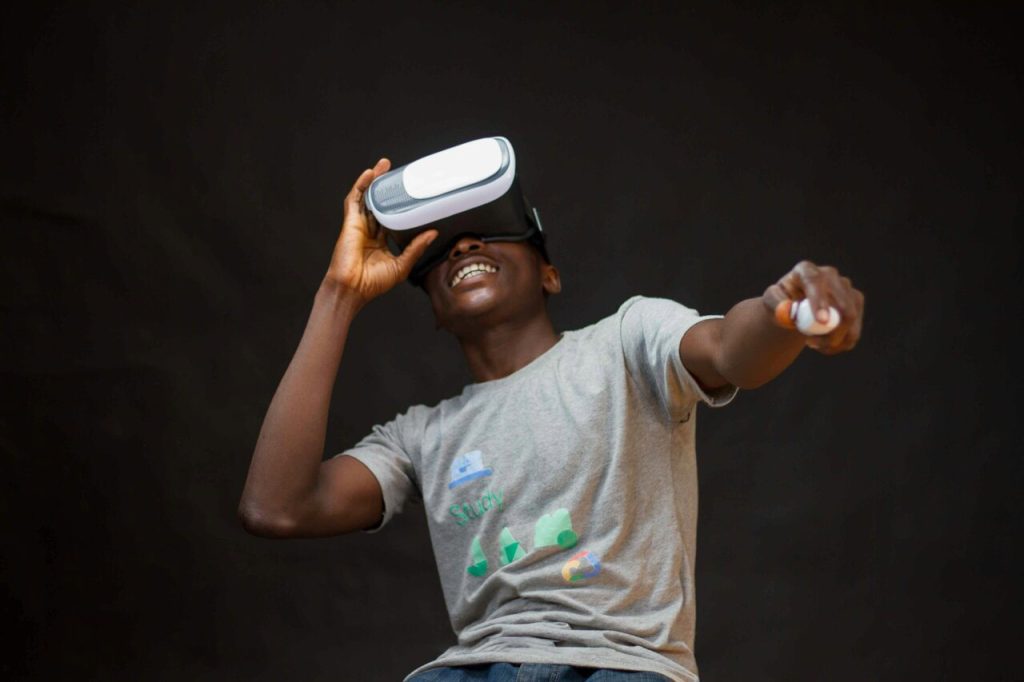
VR exposure therapy is based on the well-established psychological principle of habituation—the idea that repeated, safe exposure to a feared stimulus reduces anxiety over time. Traditional methods involved imagining the fear, viewing pictures, or engaging in real-life exposure, which can be logistically challenging. VR offers a middle ground by placing patients in a realistic, immersive environment without the physical risks or complications of real-world settings.

Sessions are typically guided by a therapist who gradually increases the intensity of the VR scenarios, helping patients tolerate discomfort in incremental steps. For example, someone with aviophobia might start by simply sitting on a virtual airplane on the tarmac, then progress to taxiing, takeoff, turbulence, and landing. The ability to pause, repeat, and adjust these experiences makes VR an ideal medium for nuanced emotional learning.

Clinically, VR has shown impressive results. Meta-analyses reveal that VR exposure therapy is as effective—sometimes more effective—than traditional exposure. Patients often feel more in control, and the novelty of the experience may increase engagement and treatment adherence.

Unintended Psychological Consequences
Despite the positive outcomes, emerging research warns of unintended consequences. A growing number of patients report developing new anxieties related to the VR experience itself, including claustrophobia (from wearing a headset), derealization (a sense that the real world is now less “real”), or even symptoms of simulator sickness—nausea, dizziness, and fatigue that mimic panic symptoms.

There are also reports of patients becoming anxious about technology, associating their headset with distressing emotional memories, or feeling unease in real environments that resemble their virtual exposures. For instance, someone who practiced heights in VR might become hyper-aware of railings, elevators, or ledges in everyday life, even after their original acrophobia was reduced.

Psychologists have coined this phenomenon “therapeutic displacement”—where emotional discomfort transfers from the original phobic trigger to new, unintended areas. Though rare, it poses a significant challenge: the treatment meant to reduce fear may, in a subset of users, expand the perimeter of anxiety.

Research into VR-Induced Phobias and Side Effects
The scientific community is beginning to examine these outcomes more closely. A 2024 multicenter study involving over 300 patients undergoing VR therapy for spider phobia found that 12% developed increased sensitivity to enclosed spaces, particularly associated with prolonged headset use. Another study from a Canadian university reported a small subset of patients who developed anxiety around digital surveillance or artificial environments after VR exposure to social judgment scenarios.

There are physiological components, too. Simulator sickness has overlapping symptoms with panic attacks, including shortness of breath, disorientation, and heart palpitations. For individuals with health anxiety or trauma histories, these somatic cues can reactivate other mental health concerns, making the therapy environment feel threatening.

Additionally, sensory mismatch—the gap between what the eyes see and what the body feels in VR—can confuse the brain and nervous system. While most users adapt quickly, those with preexisting sensory processing issues or vestibular disorders are at higher risk of adverse effects.

Establishing Robust Safety Protocols
Given these findings, experts are emphasizing the need for clearer safety standards in VR therapy. Unlike medication or medical devices, VR mental health tools often lack formal regulatory oversight. Many therapists use consumer-grade equipment and off-the-shelf software not originally designed for clinical use.

Best practices being developed include:

  • Pre-screening for vulnerability: Patients should be evaluated for motion sensitivity, trauma history, dissociation tendencies, and susceptibility to panic.
  • Short, graded sessions: Initial exposures should last no more than 5–10 minutes, with extended sessions only after tolerance is established.
  • Decompression time: After each VR session, patients should spend time reorienting to the physical world—often through grounding exercises, hydration, and body-based mindfulness.
  • Physical comfort checks: The headset’s fit, room temperature, and posture must be adjusted to prevent physical strain that might trigger emotional discomfort.
  • Informed consent: Clients must understand both the goals of therapy and the risks of sensory overload, simulator sickness, or emotional displacement.

These protocols are critical not just for safety, but also for fostering trust in what is still a novel therapy modality.
Certification and Training Standards for VR Practitioners
Another challenge is the lack of formalized credentialing for VR therapy providers. While licensed psychologists are generally trained in exposure techniques, few receive education in the technical nuances of virtual systems—how to calibrate equipment, monitor software bugs, or manage haptic and audio feedback. This gap can lead to inconsistent therapy quality or poorly matched exposure scenarios.

Organizations like the International Society for Virtual Reality in Mental Health (ISVRMH) and the Association for Behavioral and Cognitive Therapies (ABCT) are now advocating for certification programs. These would ensure that therapists:

  • Are proficient in VR system setup and troubleshooting
  • Understand how to modify scenarios for client-specific needs
  • Can distinguish between beneficial exposure and sensory overload
  • Maintain privacy and data protection standards for sensitive client information

Some programs are emerging through partnerships between universities and tech developers, but industry-wide accreditation remains in its early stages. Until such systems are in place, patients are encouraged to ask providers about their training and the clinical basis of the VR tools they use.

Consumer-Grade VR and the Risk of Self-Directed Exposure
An additional risk arises from consumer-accessible VR therapy platforms. Apps like “Fearless,” “Phobia VR,” and “Virtual Calm” allow users to conduct exposure on their own—often with little to no guidance. While these tools can democratize access to mental health support, they also open the door to misuse.

A person with no therapeutic background might inadvertently trigger panic or dissociation by selecting a too-intense scenario. Others might skip key exposure principles, such as graded escalation, and instead flood themselves with maximum intensity environments, leading to setbacks or fear reinforcement. Some users even report addiction to VR, using it to avoid real-life social interactions—an irony for tools designed to reduce avoidance behaviors.

Developers are now under pressure to include built-in coaching features, usage limits, and emergency exits to reduce harm. But until these tools are treated with the same caution as medication, their risks remain real.

Balancing Innovation with Caution
Despite these challenges, the mental health benefits of VR remain promising. Thousands of patients have successfully overcome crippling fears with the help of immersive exposure environments, especially when traditional methods fell short. But as with any new tool, balance is key.

Mental health professionals and patients alike must remember that VR is not a magic solution—it is a powerful technique that requires skillful use, careful planning, and awareness of individual variability. The novelty of the experience should not override the need for methodical, evidence-based care. Therapists must constantly assess whether a patient’s stress response is therapeutic or harmful, and when it’s time to shift back to traditional talk therapy, real-world exposure, or trauma-informed methods.

Conclusion: Simulated Healing in a Complex Reality
The question of whether VR therapy creates new fears reveals a deeper truth: healing is not always linear. Every therapeutic intervention carries risks—whether it’s medication, exposure, or meditation. Virtual environments, by nature, challenge our sense of reality, safety, and control. For some, this opens a door to liberation. For others, it may accidentally open a trapdoor to anxiety in a new form.

As we continue to integrate technology into therapy, we must do so with the same care we would any medical treatment: by listening to patient feedback, refining clinical standards, and grounding innovation in humility. VR has the potential to transform the mental health landscape—but only if we remain vigilant about the world it simulates, and the minds it hopes to help.


Tags: exposure therapy riskssimulator sickness anxietyvirtual reality mental healthVR phobia therapy
ShareTweetShare

Related Posts

Have You Overlooked a Hidden Factor Affecting Your Resilience: Personal Boundaries?
Emotional Health

Have You Overlooked a Hidden Factor Affecting Your Resilience: Personal Boundaries?

July 14, 2025
Emotional Regulation Is Not About Suppressing Emotions — So How Should We Actually “Regulate” Them?
Emotional Health

Emotional Regulation Is Not About Suppressing Emotions — So How Should We Actually “Regulate” Them?

July 14, 2025
Can Just 5 Minutes of Daily “Mental Toughness Training” Change How You Respond to Failure?
Emotional Health

Can Just 5 Minutes of Daily “Mental Toughness Training” Change How You Respond to Failure?

July 14, 2025
Is a Growth Mindset Truly the Key to Building Psychological Resilience—Or Just a Trendy Buzzword?
Emotional Health

Is a Growth Mindset Truly the Key to Building Psychological Resilience—Or Just a Trendy Buzzword?

July 14, 2025
Why Naming Your Emotions Can Be More Powerful Than Deep Breathing When Dealing with Stress
Emotional Health

Why Naming Your Emotions Can Be More Powerful Than Deep Breathing When Dealing with Stress

July 13, 2025
Did You Know Self-Compassion Is a Key Step to Enhancing Emotional Intelligence?
Emotional Health

Did You Know Self-Compassion Is a Key Step to Enhancing Emotional Intelligence?

July 13, 2025
Leave Comment
  • Trending
  • Comments
  • Latest
Does Every Deep Breath Really Change Your Heart Rate and Immunity?

Does Every Deep Breath Really Change Your Heart Rate and Immunity?

July 16, 2025
Are You Practicing Mindfulness or “Pseudo-Relaxation”? The Surprising Differences in Their Effects on Your Body

Are You Practicing Mindfulness or “Pseudo-Relaxation”? The Surprising Differences in Their Effects on Your Body

July 16, 2025
Can Chronic Stress “Write” Itself into Your Gene Expression? And Can Meditation Reverse It?

Can Chronic Stress “Write” Itself into Your Gene Expression? And Can Meditation Reverse It?

July 16, 2025
Is There a Way to Satisfy Both Your Gut Microbiome and Your Mood at the Same Time?

Is There a Way to Satisfy Both Your Gut Microbiome and Your Mood at the Same Time?

July 17, 2025
AI Companions: The New Frontier in Emotional Support

AI Companions: The New Frontier in Emotional Support

Virtual Reality Therapy: Immersive Solutions for Emotional Healing

Virtual Reality Therapy: Immersive Solutions for Emotional Healing

Neurofeedback: Enhancing Emotional Regulation Through Brainwave Training

Neurofeedback: Enhancing Emotional Regulation Through Brainwave Training

Teletherapy: Expanding Access to Emotional Health Services

Teletherapy: Expanding Access to Emotional Health Services

How Integrative Nutritional Therapy Connects Emotions, Gut Health, and Hormones: Is It More Systematic Than You Think?

How Integrative Nutritional Therapy Connects Emotions, Gut Health, and Hormones: Is It More Systematic Than You Think?

July 21, 2025
Forest Therapy Is Becoming a Prescription: Can Nature Truly Heal Anxiety and Inflammation?

Forest Therapy Is Becoming a Prescription: Can Nature Truly Heal Anxiety and Inflammation?

July 21, 2025
Have You Been Ignoring One of the Oldest Yet Proven Healing Forces—Connection with Nature?

Have You Been Ignoring One of the Oldest Yet Proven Healing Forces—Connection with Nature?

July 21, 2025
Why Ancient Meditation Practices Are Reaffirmed by Modern Neuroscience as “Brain Fitness”

Why Ancient Meditation Practices Are Reaffirmed by Modern Neuroscience as “Brain Fitness”

July 21, 2025
ThriveWellQuest.com

Our mission is to empower individuals with knowledge and resources that promote wellness trends and the mind-body connection for a healthier lifestyle. Explore and thrive with us!

© 2025 thrivewellquest.com. contacts:[email protected]

No Result
View All Result
  • Home
  • Health Innovations
  • Emotional Health
  • Mind-Body
  • Wellness Trends
  • Holistic Approaches

© 2025 thrivewellquest.com. contacts:[email protected]

Welcome Back!

Login to your account below

Forgotten Password?

Retrieve your password

Please enter your username or email address to reset your password.

Log In