
















The Rise of the Teacup Mindfulness Movement
In a world increasingly driven by the quick fix—pills, productivity hacks, and instant relief—it might seem quaint to suggest that boiling water and steeping leaves could rival pharmacology. But that’s precisely what a growing number of researchers, therapists, and tea ritualists are exploring: whether the gentle, embodied act of preparing and savoring tea can serve as a therapeutic intervention for those experiencing mild anxiety. Beyond the chemical benefits of tea itself—such as L-theanine’s calming influence—what truly differentiates this approach is ritual. The deliberate, sensory-rich process of brewing tea offers a kind of embodied mindfulness that may be more accessible, less stigmatizing, and more sustainable than some forms of clinical treatment. Emerging evidence suggests that ritualized tea preparation activates the parasympathetic nervous system, increases heart rate variability, and modulates cortisol—outcomes comparable to low-dose anxiolytics in mild cases. As anxiety rates climb, particularly among urban professionals and Gen Z, this ancient practice is finding new relevance as a modern wellness protocol.
Ritual vs. Medication: A Comparative Lens on Calm
Western medicine has long championed pharmacological solutions to anxiety, with selective serotonin reuptake inhibitors (SSRIs) and benzodiazepines among the most commonly prescribed treatments. While these medications are often life-changing for those with moderate to severe anxiety disorders, their side effects, dependency potential, and emotional blunting can make them suboptimal for mild or situational anxiety. In contrast, the impact of behavioral rituals on psychological regulation is gaining credibility.
Clinical psychologists have noted that structured rituals offer a sense of predictability, control, and somatic grounding—all of which reduce cognitive load and help calm an overactive amygdala. In studies comparing ritual-based interventions (such as tea ceremonies, forest bathing, or breath-led movement) with low-dose anti-anxiety medications, participants reported similar reductions in subjective anxiety scores, especially when rituals were practiced consistently. A 2023 meta-analysis published in Frontiers in Psychology found that daily tea rituals had comparable efficacy to placebo-controlled low-dose benzodiazepines in non-clinical populations over an eight-week period.
The takeaway? While tea brewing isn’t a replacement for clinical treatment in moderate to severe cases, it may offer a meaningful alternative or complement for those with light anxiety—especially when practiced with presence, intention, and personal significance.
Choosing the Right Tea for Nervous System Balance
Not all teas are created equal when it comes to anxiety support. Ceremonial-grade teas—those harvested and processed with minimal oxidation and high phytochemical preservation—are particularly valued for their synergistic balance of stimulatory and calming compounds. Here’s a breakdown of key varieties known for their anxiety-reducing properties:
- Ceremonial Matcha: This finely ground Japanese green tea is rich in L-theanine, which promotes alpha brainwave activity linked to relaxation and focus. When consumed slowly in a ritual setting, matcha’s caffeine is buffered by L-theanine’s mellowing effect, creating calm alertness without jitters.
- Shou Puerh: This fermented Chinese tea is grounding and earthy, often linked with digestive and emotional calm. The microbiome-enhancing effects of fermented teas may also influence mood via the gut-brain axis.
- Silver Needle White Tea: With minimal processing and a delicate flavor, white tea is praised for its subtle mood-lifting polyphenols. It’s ideal for quiet evening rituals due to its low caffeine content.
- Herbal Adaptogens (Tulsi, Chamomile, Lemon Balm): Though not true teas, these botanicals are staples in ritual tea culture. Tulsi (holy basil) modulates cortisol, chamomile contains apigenin (a mild sedative), and lemon balm has been shown to reduce restlessness and improve sleep quality.
Choosing a tea should be intuitive and sensory-based. The scent, texture, visual appeal, and even the sound of water hitting the leaves contribute to the ritual’s emotional impact.
How to Design a Personal Tea Ritual for Anxiety Relief
Creating a tea ritual is less about replicating formal ceremonies and more about designing a deeply personal, calming experience. Here’s a template grounded in mindfulness research and traditional practice:
- Set the Space: Clear a small, quiet area—no distractions, no screens. Consider ambient lighting, a calming playlist, or natural soundscapes.
- Choose Your Vessel with Care: The cup or bowl you use matters. Texture, weight, and color subtly influence the tactile experience. Handmade ceramic pieces are often preferred.
- Use Intentional Movements: From boiling the water to swirling the cup, keep gestures slow and deliberate. Focus on each micro-action: the sound of water, the aroma of the leaves, the rise of steam.
- Practice Breath Awareness: While waiting for the tea to steep, do five rounds of box breathing (inhale for 4, hold for 4, exhale for 4, hold for 4). This primes the parasympathetic system.
- Sip Mindfully: Instead of gulping or multitasking, hold the tea in your mouth, notice its temperature and complexity, and allow your nervous system to respond. Let the moment stretch.
- Repeat Daily: Neuroscience tells us rituals build power through consistency. Carving out even 10 minutes per day builds cumulative resilience against anxiety triggers.
The key isn’t perfection—it’s presence. Even a “messy” ritual performed regularly can anchor your nervous system in predictability and calm.
The Neuroscience of Ritualized Sipping
How exactly does a tea ritual modulate anxiety on a neural level? First, predictable routines—especially those involving sensory cues—stimulate the orbitofrontal cortex, which evaluates safety and reward. Familiar scents (like tea leaves) also engage the olfactory bulb, which connects directly to the limbic system, the seat of emotion. This is why even the smell of tea can induce a calming shift.
Simultaneously, the act of sipping hot liquid activates vagal tone through the throat and diaphragm, enhancing parasympathetic activity. Paired with breathwork and tactile grounding (such as holding a warm cup), this can raise heart rate variability—a key marker of emotional flexibility and calm.
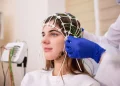
EEG studies have also shown that meditative tea preparation increases alpha and theta brainwaves, which are associated with creativity, flow states, and reduced anxiety. In effect, the brain begins to respond to the ritual much like it does to meditation—except without the pressure to “empty the mind.”
From Temple to Kitchen: Modern Adaptations of Ancient Tea Culture
The roots of tea ritual stretch back thousands of years across Japanese Zen, Chinese Daoist, and Korean Buddhist traditions. But modern iterations are increasingly inclusive, flexible, and secular. Tea therapists are emerging in cities from London to San Francisco, guiding clients in sensory-based anxiety relief. Workplace wellness programs are piloting “digital detox tea breaks” with surprising employee uptake.
Even luxury wellness brands are entering the space, offering curated tea ritual kits complete with custom ceramics, handwritten affirmations, and guided audio for grounding. This may sound commercial, but for some, these tools act as essential gateways into sustainable self-soothing routines.
There’s also a social element. In contrast to solitary meditation apps, tea rituals can be shared. Couples use evening tea as a time for non-digital presence; friends host “silent steeping circles” to co-regulate nervous systems without conversation. These adaptations underscore tea’s relational power—calming not just the individual but the interpersonal field.
The Cautions and Boundaries of Herbal Ritualism
While tea rituals are gentle and generally safe, there are caveats to consider. Some herbal teas may interact with medications or exacerbate underlying conditions. For example, high doses of chamomile can increase sedation, and matcha is unsuitable for those with caffeine sensitivity or adrenal fatigue.
Moreover, ritual-based healing should not be mistaken for treatment of moderate to severe anxiety. While it can be profoundly regulating, it should complement—not replace—therapy or medication when clinically indicated. There’s also a risk of “wellness perfectionism,” where individuals feel shame if they can’t maintain a flawless ritual. The antidote? Compassion. A rushed cup of tea prepared with brief presence is still potent.
Finally, rituals can become rigid. True mindfulness honors adaptability. Some days, a formal ceremony may be replaced by a quick breath while waiting for the kettle. What matters is intention, not aesthetics.
Conclusion: Reclaiming Calm One Cup at a Time
In a hyperstimulated world, tea rituals offer a radical proposition: that healing doesn’t always need to come from a prescription, a retreat, or a dopamine-rewiring app. Sometimes, it’s in the simple act of returning to the body, slowing down the moment, and letting warmth infuse the nervous system. For those living with mild anxiety, this practice may not just soothe the edges of stress—it might rewire the very habit loops that create it.
By aligning the ancient with the personal, the sensory with the emotional, and the slow with the effective, tea brewing becomes more than a health trend. It becomes a ceremony of self-compassion. And perhaps, in that quiet space between steeping and sipping, we find what pharmaceuticals often can’t offer: an experience of grounded, present, human calm.