




























Why Mental Health Needs Are Turning to Textiles
The fusion of fashion and function is accelerating faster than ever before. In a world increasingly reliant on wearable technology to track physical health, the next frontier is emotional and psychological wellness. Smart fabrics—textiles embedded with sensors that monitor physiological signals—are being designed not only to track stress and anxiety but to potentially regulate them in real-time. But can a piece of clothing truly become a therapeutic companion? As mental health care becomes more digitized and distributed, wearable emotion tech may offer an accessible, continuous, and stigma-free layer of support for those navigating emotional strain. Whether this replaces or simply augments traditional therapy is the deeper question.
What Are Smart Fabrics, and How Do They Work?
Smart fabrics are textiles interwoven with conductive threads or nanomaterials capable of sensing, transmitting, and sometimes even reacting to biometric data. These garments can detect changes in skin temperature, sweat composition, heart rate variability (HRV), respiratory rate, muscle tension, and galvanic skin response—all key markers for emotional and psychological states. Some even include haptic feedback mechanisms, gently vibrating in response to heightened stress levels or guiding the wearer through breathing sequences. Unlike wristbands or phone-based monitors, these fabrics sit directly against the skin, offering a more intimate and constant data stream. That closeness could be a powerful advantage—or a privacy concern.
Tracking Stress Through the Skin
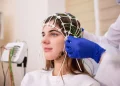
Skin is one of the body’s most emotionally reactive organs. It flushes, tingles, tightens, and sweats under emotional duress. Smart fabrics leverage this mind-body relationship by reading signals such as electrodermal activity (EDA), which reflects sympathetic nervous system arousal. Elevated EDA is common in anxiety and panic attacks. By combining EDA data with HRV and breath rhythm, emotion-sensing fabrics can offer a real-time window into one’s inner state—often before the wearer consciously realizes something is wrong. This kind of preemptive awareness could help interrupt spiraling thoughts, prevent burnout, or offer subtle alerts when emotional regulation is slipping.
From Passive Tracking to Active Regulation
The next leap for smart fabrics is bio-responsive intervention. Startups like EmotiBit and Xenoma are integrating feedback loops that respond to elevated stress by cueing biofeedback interventions. These may include vibration pulses to guide slow breathing, subtle thermal shifts to soothe anxiety, or even color-changing threads to visualize your emotional state. The idea is to mimic the containment and co-regulation offered in therapy—except this support travels with you. Imagine your shirt silently signaling you to breathe deeply before a public speech, or your sweater warming slightly during a moment of sadness. While not a substitute for human empathy, it’s an intriguing step toward wearable emotional scaffolding.
Who Benefits Most from Emotion-Sensing Textiles?
The potential use cases are expansive. Individuals with generalized anxiety disorder (GAD), panic disorder, or post-traumatic stress disorder (PTSD) may benefit from passive, non-invasive monitoring that doesn’t require screen interaction. For neurodivergent populations, such as those with autism spectrum disorder, smart clothing can help flag internal arousal before meltdowns occur. For teens, who may resist talk therapy due to stigma or discomfort, emotion-aware clothing could become a quiet ally. These fabrics could also assist caregivers, allowing them to detect rising distress in elderly family members or non-verbal children. As a form of emotional ambient intelligence, the fabrics offer new ways to feel “seen” without having to explain.
Clinical Validation: Are These Fabrics Truly Therapeutic?
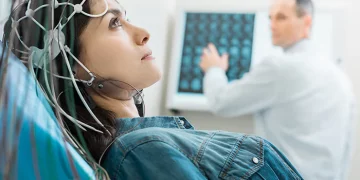
Several research institutions, including MIT, Stanford, and ETH Zurich, are studying the efficacy of smart fabrics in real-world settings. Pilot studies suggest that wearables measuring HRV and EDA can accurately predict anxiety spikes and correlate with cognitive performance under stress. However, the evidence is still preliminary. Most studies have small sample sizes and are funded by the tech companies themselves. Unlike cognitive behavioral therapy (CBT) or EMDR, smart fabrics are not currently considered a standalone treatment modality. But in a blended care model—where therapy, coaching, and daily life monitoring work together—smart fabrics may serve as powerful emotional mirrors.
When Technology Becomes a Therapist Stand-In
This brings us to the ethical and philosophical tension: should a shirt replace a therapist? No fabric, no matter how intelligent, can hold space, ask powerful questions, or build a therapeutic alliance. But for moments when therapists are unavailable—or when traditional care is inaccessible due to cost, geography, or cultural stigma—smart garments can fill important gaps. Much like journaling, meditation apps, or digital CBT platforms, smart clothing may offer mental health scaffolding between sessions, during travel, or in high-stress environments like offices, airports, or hospitals.
Privacy: What Happens When Your Clothes Know You Better Than You Do?
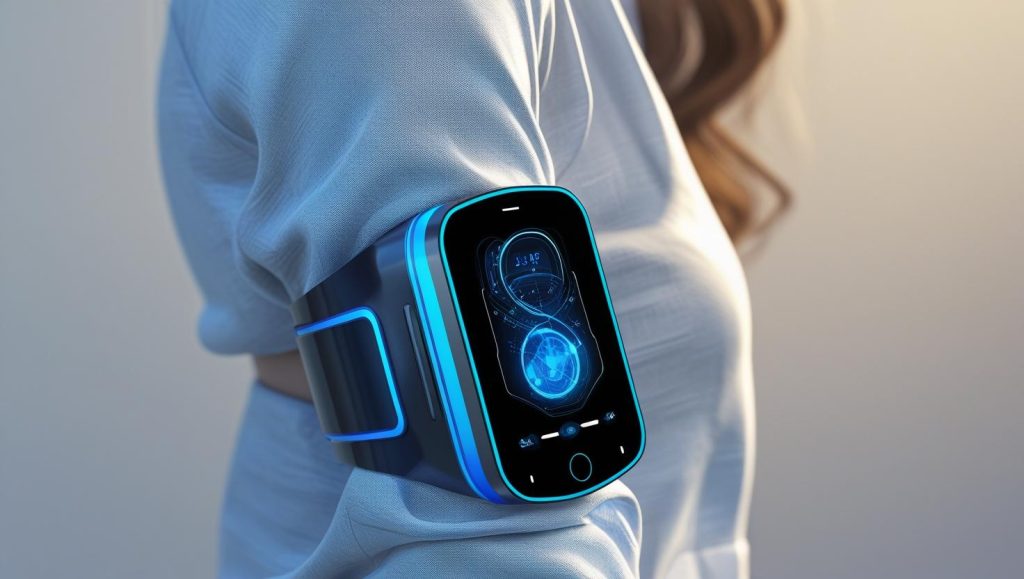
Perhaps the most significant concern is data privacy. Smart fabrics collect intimate, continuous biometric data—often in real time. Who owns that data? Is it encrypted? Could insurers, employers, or marketers gain access? If your clothing senses anxiety before you even recognize it, could this be used against you? While some companies promise on-device data processing and anonymized storage, there is no universal standard for emotion-tech ethics. As these garments become more common, regulatory frameworks will be essential to ensure they remain tools of empowerment, not surveillance.
The Emotional Placebo Effect of Being Monitored
There’s also a psychological phenomenon at play: knowing you’re being monitored—even by a non-human system—can in itself create calm. The “digital placebo effect” describes the comfort that arises simply from feeling supported or guided by technology. It’s similar to how users report better sleep with wearables, even when the data isn’t perfectly accurate. In that sense, smart fabrics don’t need to be perfect—they just need to offer emotional companionship, a kind of felt presence that someone (or something) is paying attention.
Fashion as Therapy: Design Meets Mental Health
Design matters too. If smart fabrics are going to support mental health, they must feel comforting, breathable, and attractive—not like medical devices. Brands are experimenting with eco-friendly, hypoallergenic materials and discreet sensor placement. Emotional resonance matters: the soft embrace of a weighted hoodie, the reassuring pressure of a compression shirt, the grounding coolness of a temperature-responsive scarf. If garments can embody therapeutic principles—containment, warmth, responsiveness—then clothing becomes more than a tracking tool; it becomes a co-regulator.
Limitations and Cautions of Smart Mental Health Wearables
Despite the excitement, smart fabrics are not magic. They can misread signals, drain battery life, or create dependency if users begin to outsource all emotional awareness to a garment. They are not trauma-informed, nor can they replace deep interpersonal healing. Over-reliance may actually dampen internal self-trust if users stop tuning into their own signals. It’s essential to approach these innovations as adjunctive, not central, to mental well-being. Just as no smartwatch replaces cardiovascular exercise, no fabric should replace the inner work of emotional growth.
A New Frontier in Self-Awareness
At their best, emotion-sensing fabrics offer a new language of self-knowledge. They don’t replace therapy—but they might help you show up to therapy more aware, more regulated, and more honest. In a future where mental health is integrated into daily life—not quarantined to a weekly session—smart clothing could be a silent partner in resilience. Whether you’re stuck in traffic, grieving quietly, or prepping for a big meeting, your clothes might one day say what your mind hasn’t caught up to yet: breathe, you’re safe, you’re not alone.